EMS training with a bad back: what we do differently
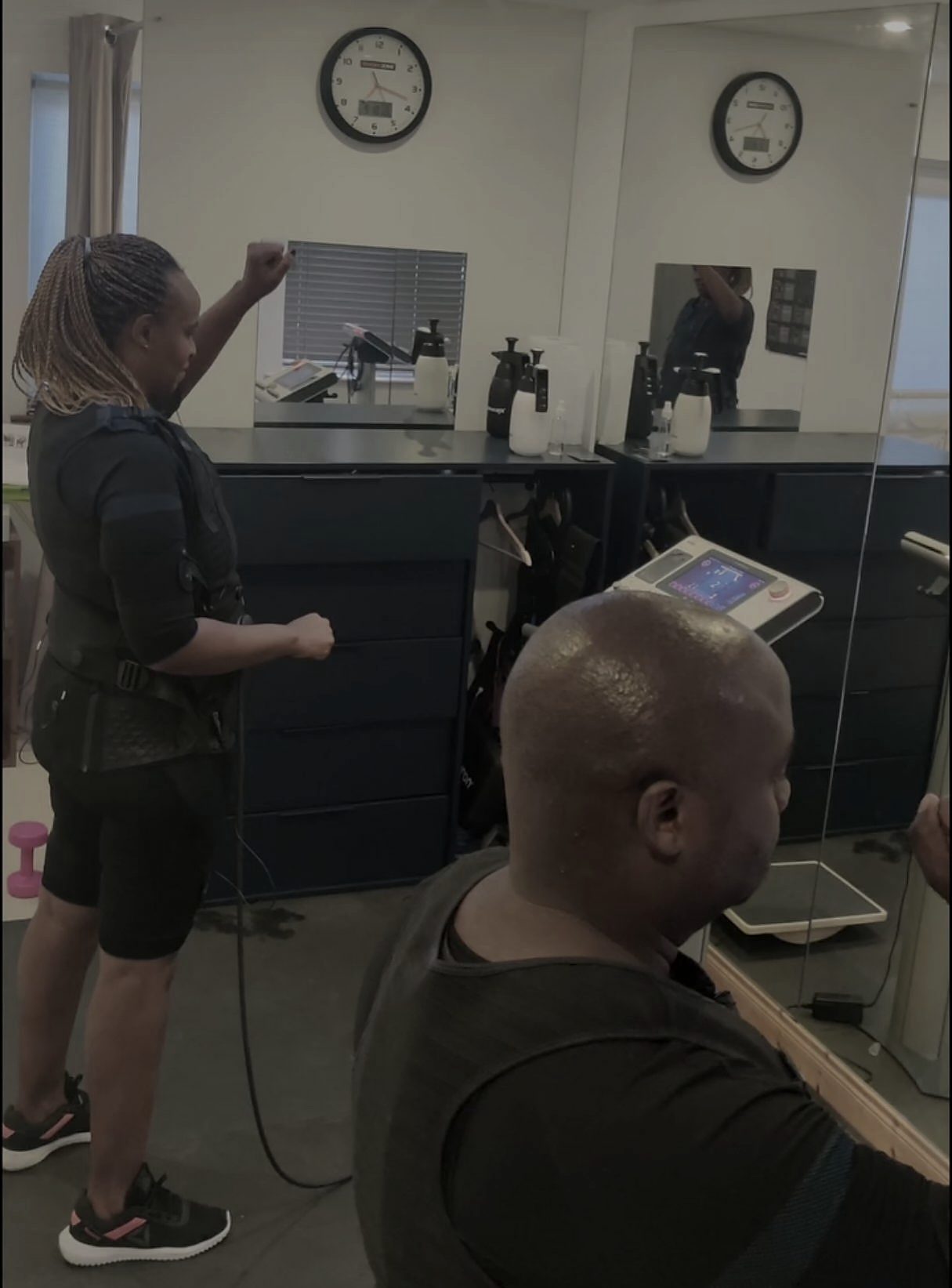
More people come to me because of their back than for any other reason. Most of them have been told to strengthen their core and have no idea how to do that without making things worse.
Why the gym does not work for a sore back
The muscles that support your spine are small, deep and hard to feel. Loading a barbell onto your shoulders to reach them is like using a sledgehammer to hang a picture. So people avoid it, the muscles get weaker, and the back complains more.
What EMS changes
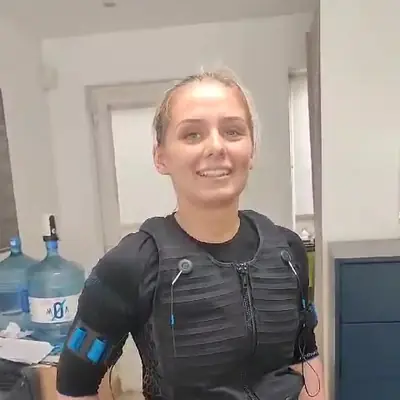
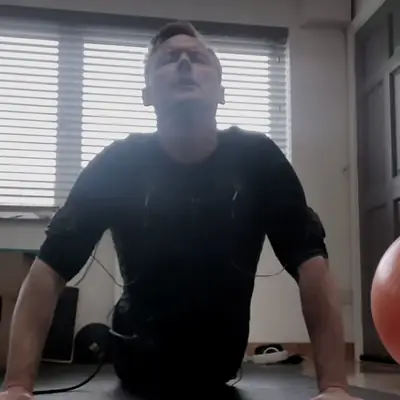
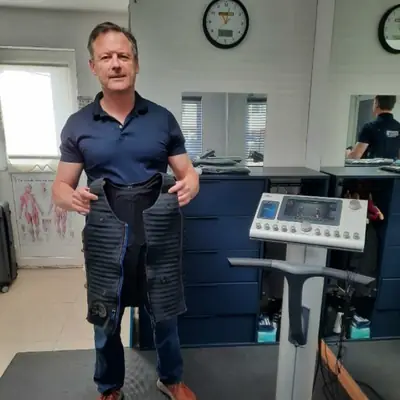
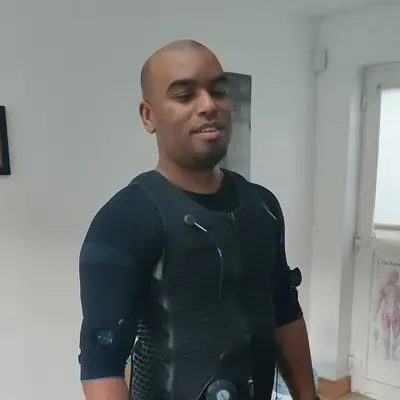
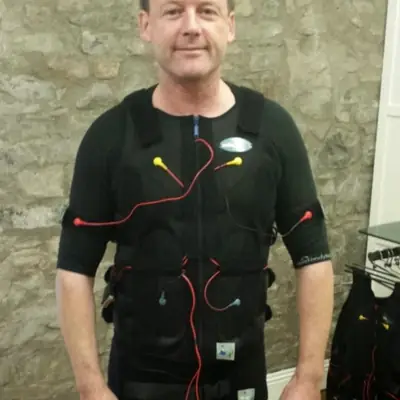
In the suit, the impulse reaches those deep muscles directly while you do slow, gentle movements. Nothing is pressing down on your spine. Your lower back, your abs and your glutes each have their own dial, so I can bring up the weak areas gently and keep everything else comfortable. Research on whole-body EMS in people with long-standing lower back pain has reported less pain and stronger trunks. I see the same thing week after week.
How a back-focused programme runs
- We talk first. What hurts, what makes it worse, and what your GP or physio has said.
- Early sessions stay low and simple while your body gets used to the impulse.
- Deep core, lower back and glutes come up gradually over the weeks.
- We add posture work for the upper back, to undo the desk slump.
- InBody scans show whether your trunk muscle is actually growing.
One honest line: EMS is exercise, not treatment. If your pain is severe, new, or running down your leg, see your GP or a chartered physio first. If they are happy for you to exercise, I would be glad to help.
Your first session is free, and it is only 12 minutes. Book it on WhatsApp or call 086 810 6213.